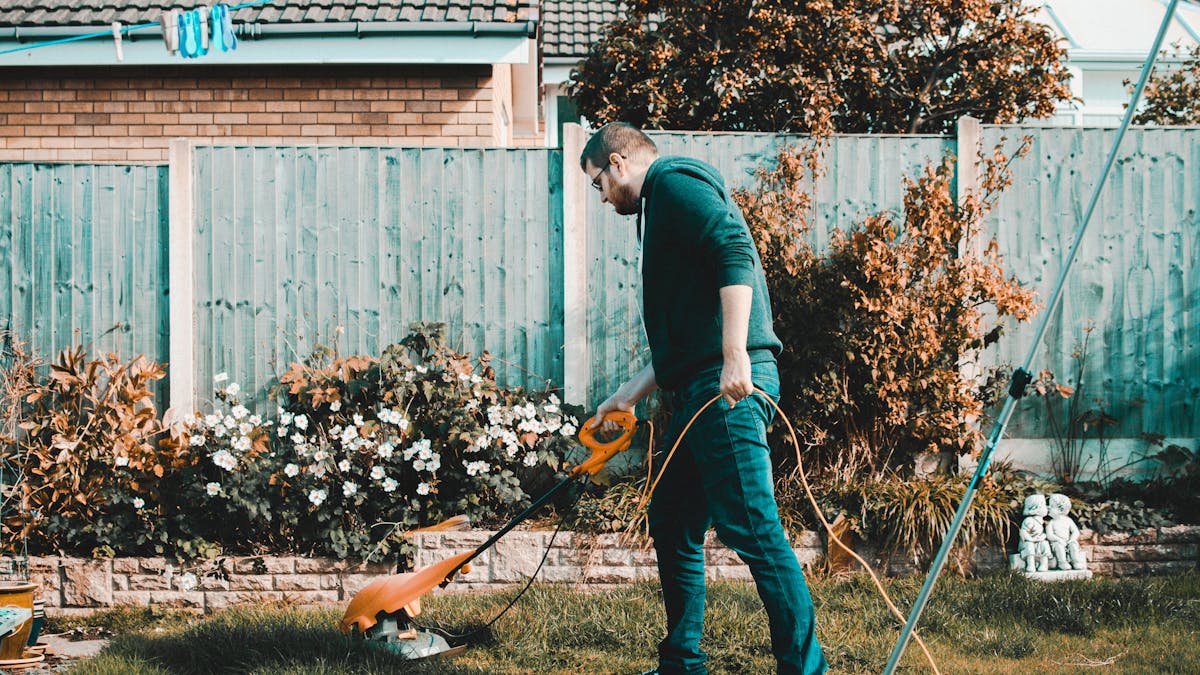
The Short Version: Mow short, rake hard, spread Scotts Turf Builder Thick'R Lawn at label rate, water twice daily for two weeks. That's it. Full breakdown below.
Your lawn is getting thin. You’re seeing dirt patches where there used to be grass. Weeds are moving in like they own the place. And you’re wondering if it’s time to just rip it all out and start over.
It’s not. Overseeding is cheaper, faster, and actually works—but only if you do it right.
I’ve watched people throw seed on their lawn in the wrong season and wonder why it didn’t take. I’ve seen others skip soil prep and expect miracles. This guide walks you through the real process, not the sanitized version the seed companies want you to believe.
What You’ll Need
Also helpful: soil test kit, watering timer, work gloves.
What You’re Actually Doing When You Overseed
Overseeding means spreading new grass seed over your existing lawn without pulling it out and starting fresh. The new seed germinates, fills bare spots, and thickens the overall turf. You end up with a healthier, denser lawn that outcompetes weeds and handles drought better.
This is different from reseeding (starting from scratch) and different from “just throwing seed down and hoping.”
When to Overseed (The Real Timeline)
| Season | Recommendation | Why |
|---|---|---|
| Fall (Late Aug–Sept) | ✅ Best time | Warm soil, cool nights, less weed competition |
| Spring (March–April) | ⚠️ Risky | Works, but summer heat stresses new seedlings |
| Summer | ❌ Don’t | Seed won’t germinate in 100°F heat |
| Winter | ⚠️ Winter ryegrass only | For temporary green color, dies in summer |
Fall is your window. Soil is still warm (70-85°F) so seed germinates fast. Nighttime temps drop, reducing heat stress on seedlings. You’re overseeding 45+ days before first frost. Fewer weeds competing—summer annuals are dying back.
The Real Cost Breakdown
| Item | Cost Range | Notes |
|---|---|---|
| Seed | $40–$150 | For 5,000 sq ft lawn |
| Starter fertilizer | $20–$40 | Skip if using all-in-one |
| Topsoil (optional) | $15–$30 | 2-3 bags for average lawn |
| Core aerator rental | $50–$80/day | Optional but helpful |
Total DIY: $75–$300 depending on lawn size and products.
Hire a pro: $800–$2000 for a typical suburban lot. Worth it if you hate yard work.
Step 1: Test Your Soil (Optional, Smart)
You can skip this and overseed blind. Most people do. But if your lawn has been struggling despite decent care, a soil test kit tells you if you’re low on nitrogen, phosphorus, potassium, or if pH is off.
Time: 10 minutes to test, 1-2 weeks for results if using mail-in
Step 2: Dethatch and Aerate (If Needed)
Dethatch: If dead grass and organic matter are so thick you can’t see soil, use a Sun Joe electric dethatcher or rent a power rake. You’ll tear up the lawn surface and it’ll look awful for a week. That’s normal.
Aerate: Punch holes in compacted soil with a manual core aerator or rent a powered one. This opens pathways for water, nutrients, and new seed to reach existing root systems.
Do this about 2 weeks before you overseed. If you’ve never done either and your lawn is basically healthy (just thin), skip both. They’re insurance, not requirements.
Time: 30-60 minutes
Step 3: Mow Short and Rake Aggressively
Mow: Cut your grass down to 1 inch or shorter. Bag the clippings—don’t let them blow back into the yard.
Rake: Use a metal thatching rake to scrape up dead grass, thatch, and soil debris. You want bare soil visible in patches. This is where the new seed will make contact.
This step is non-negotiable. Seed sitting on top of 2 inches of dead grass won’t germinate. It’ll just wash away or get eaten by birds.
Time: 20-40 minutes
Step 4: Choose the Right Seed
Know your grass type first. Match your seed to what you have:
Avoid: Mixing random grass types hoping they’ll work together. Stick with what you have or compatible types for your region.
Step 5: Spread Seed at Label Rates
Use a broadcast spreader for lawns over 1,000 sq ft. For small patches, a handheld spreader works fine.
Critical: Don’t over-seed thinking “more seed = thicker lawn.” It doesn’t. Extra seed just washes away, gets eaten by birds, or competes with itself and dies. Follow the label rate exactly.
Apply in overlapping passes, like you’re mowing. Cover the whole lawn once.
Time: 15-30 minutes
Step 6: Fertilize (If Using Plain Seed)
If you used an all-in-one product like Scotts Thick’R Lawn, skip this—fertilizer is already included.
If using plain seed, apply Scotts Turf Builder Starter Food with the same spreader, same day.
Avoid “weed & feed” products—the pre-emergent kills new seed.
Time: 10 minutes
Step 7: Water Consistently (This Is Where People Fail)
| Timeframe | Watering Schedule | Notes |
|---|---|---|
| Days 1–7 | Twice daily, light | Morning and evening, keep soil moist |
| Days 8–14 | Once daily, deeper | Morning before 10 AM |
| Week 3+ | Every other day | Based on rain and heat |
A watering timer makes this foolproof.
Watch for: Puddles or spongy soil = you’re overwatering. Cut back. New seed can drown.
No foot traffic. Keep pets and kids off the lawn for at least 2 weeks.
When You’ll Actually See Results
| Timeline | What to Expect |
|---|---|
| Week 1 | Nothing visible. Seed is germinating. |
| Week 2-3 | Tiny green shoots appear |
| Week 4-5 | Seedlings 0.5–1 inch tall |
| Week 6-8 | New grass matches existing lawn height |
| Month 3 | Full establishment, noticeably thicker |
When to Call a Pro
Call a lawn care professional if:
- Your entire lawn is dead or dying (you need sod, not seed)
- You’ve overseeded twice with no results (soil issue)
- Your lawn has severe grub or fungal damage
- You don’t have time for 2 weeks of daily watering
FAQ
How do I know if my lawn needs overseeding? If you can see dirt through the grass in multiple spots, or your lawn has thinned noticeably over the past 1-2 years, it’s time. A thick lawn should completely hide the soil beneath it.
Can I overseed a wet lawn? Not if it’s puddling. Moist soil is fine. Soggy/waterlogged is not. Wait 1–2 days after heavy rain.
How often should I overseed? Most lawns benefit every 2–3 years. High-traffic areas (pets, kids) may need it annually.
What if it rains hard right after I seed? Some seed may wash away. No catastrophe—just reapply seed to bare patches once soil dries.
Why is my overseeded lawn still thin? Most common causes: old seed (check expiration), wrong timing, skipped soil prep, or inconsistent watering.