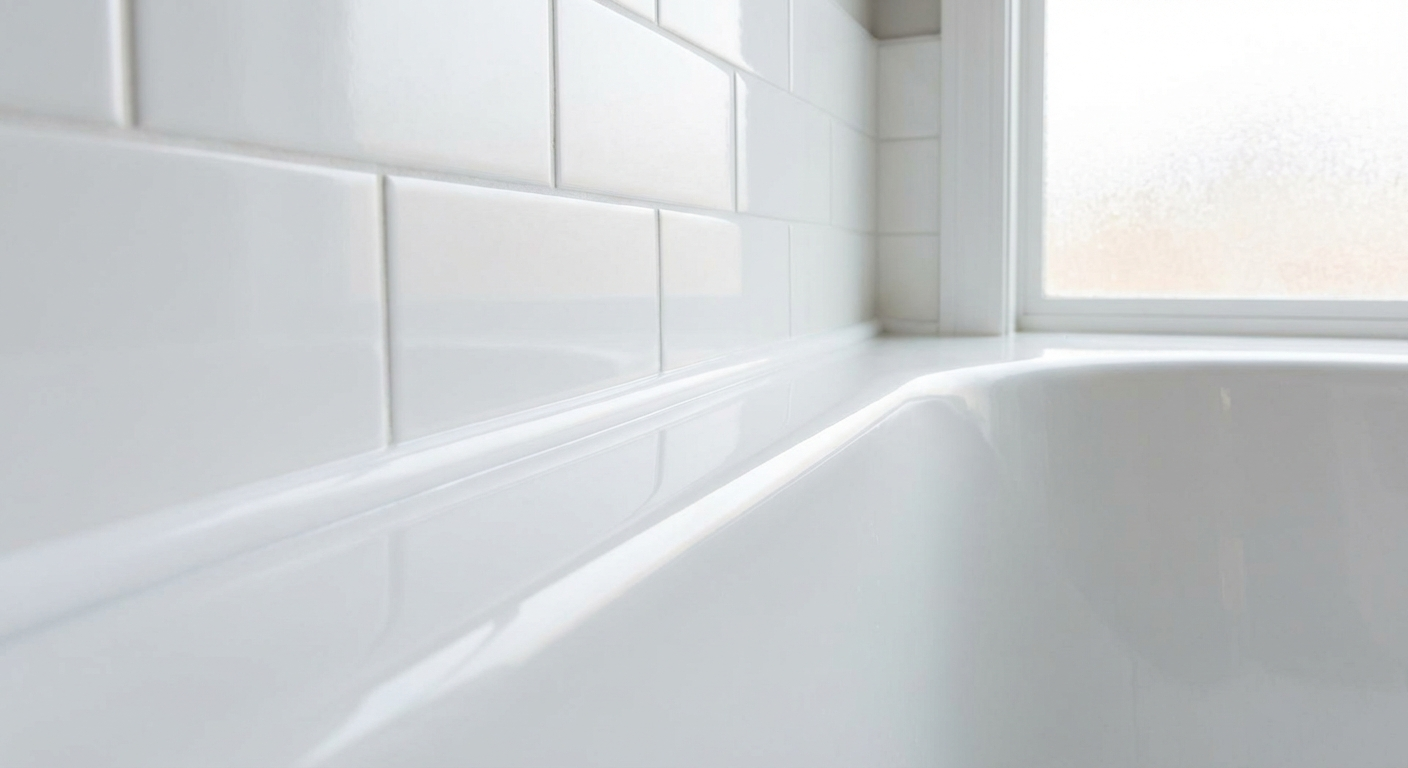
Our Top Pick: Gorilla 100% Silicone Sealant, 4.6 with 15,000+ reviews. Truly waterproof, mold-resistant, won't shrink or crack. For small touch-ups without a caulk gun, grab the Gorilla Silicone squeeze tube.
Which Type of Caulk Do You Need?
Here’s the thing nobody tells you at the hardware store: the wrong caulk will fail within a year. I’ve seen it a hundred times, someone grabs whatever’s cheapest, slaps it around the tub, and six months later they’re staring at black mold creeping through the seams.
Save yourself the headache:
| Type | Waterproof? | Paintable? | Best For |
|---|---|---|---|
| 100% Silicone | ✅ Yes | ❌ No | Showers, tubs, anywhere water sits |
| Acrylic Latex | ❌ No | ✅ Yes | Baseboards, trim, NOT bathrooms |
| Siliconized Acrylic | ⚠️ Partial | ✅ Yes | Sinks, light-splash areas |
Bottom line: If water will touch it regularly, use 100% silicone. No exceptions.
Our Top 5 Picks
I’ve used all of these on actual jobs. Here’s what holds up and what doesn’t.
Gorilla 100% Silicone Sealant
⭐ 4.6/5 (15,000+ reviews), Amazon’s Choice
This is my go-to for wet areas. Waterproof the moment it cures, resists mold, and won’t yellow or crack even after years of daily showers. Bonds to tile, fiberglass, porcelain, glass, basically anything in your bathroom.
✅ Pros
- 100% waterproof
- Mold & mildew resistant
- 10+ year lifespan
❌ Cons
- Cannot be painted
- Needs caulk gun
Best for: Showers, tubs, shower doors, tub surrounds
Gorilla Silicone Squeeze Tube
⭐ 4.5/5 (8,000+ reviews)
Same formula as above, but in a squeeze tube. No caulk gun, no mess. I keep one under my sink for touch-ups, a gap opens up around the faucet base, you fix it in two minutes and move on with your day.
✅ Pros
- No caulk gun needed
- Same waterproof formula
- Perfect for touch-ups
❌ Cons
- More expensive per ounce
- Not for full re-caulk jobs
Best for: Touch-ups, sink edges, small gaps, renters
DAP Kwik Seal Plus
⭐ 4.4/5 (6,500+ reviews)
A hybrid, easier to work with than pure silicone, more water-resistant than basic latex. It’s fine for bathroom sinks and vanity backsplashes where water splashes occasionally but doesn’t sit. Just don’t use it in the shower. Trust me.
✅ Pros
- Very affordable
- Easy to smooth
- Water cleanup
❌ Cons
- Not fully waterproof
- Will fail in showers
Best for: Bathroom sinks, vanity gaps, low-splash areas
GE Supreme Silicone
⭐ 4.5/5 (12,000+ reviews), Amazon’s Choice
If you’ve battled mold before, this is worth the extra few bucks. It has antimicrobial protection built in that actively fights mold growth, not just resists it. Comes with a 10-year mold-free guarantee.
✅ Pros
- Active mold prevention
- 10-year mold-free guarantee
- 7x stronger adhesion
❌ Cons
- Slightly more expensive
- Cannot be painted
Best for: High-humidity bathrooms, homes with mold history
DAP Alex Plus
⭐ 4.6/5 (20,000+ reviews), #1 Best Seller in Latex Caulk
Sometimes you need to paint over the caulk, like where a vanity meets a painted wall. This is the one. Paintable in 30 minutes, cleans up with water, lasts decades in dry areas.
But here’s the catch: It’s not waterproof. Use it for baseboards, trim, and painted edges. Never in the shower.
✅ Pros
- Paintable in 30 minutes
- Easy water cleanup
- 35-year durability (dry areas)
❌ Cons
- Not waterproof
- Only for dry areas
Best for: Baseboards, crown molding, window trim, NOT showers/tubs
Tools You’ll Need
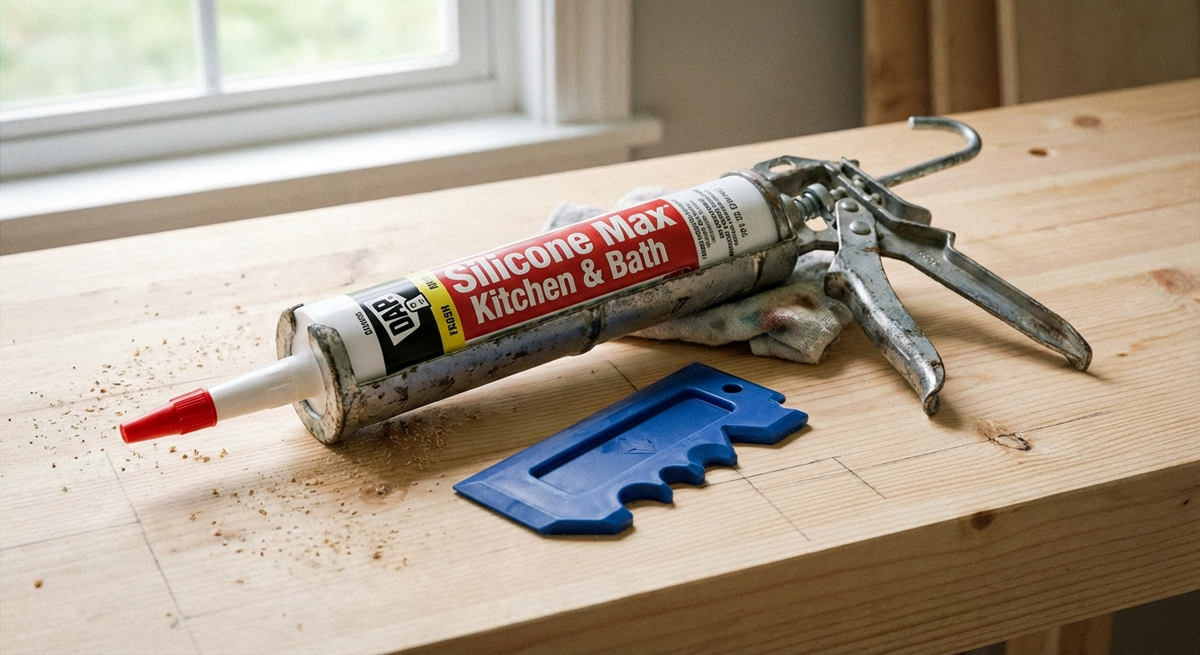
A good caulk job is 50% the caulk, 50% the application. Cheap tools make it harder than it needs to be.
How to Apply Caulk (Quick Guide)
I’ve watched people struggle with this for an hour when it should take ten minutes. Here’s the process:
- Remove old caulk completely, New caulk won’t bond to old caulk. Scrape it all out.
- Clean the surface, Wipe with rubbing alcohol, let it dry completely.
- Cut the tip at 45°, Start with a small hole, maybe 1/4”. You can always cut more off.
- Apply in one smooth motion, Don’t stop and start or you’ll get lumps.
- Smooth immediately, Wet your finger or use a caulk tool. One pass.
- Let it cure, 24 hours before water exposure. I know it’s annoying. Do it anyway.
For a complete walkthrough, check out How to Recaulk a Bathroom.
FAQ
Can I caulk over old caulk? No. I know you want to, but it won’t work. The new stuff won’t bond properly and you’ll be redoing it in six months. Remove the old caulk first.
Why does my caulk keep turning black? That’s mold growing in or behind the caulk. Switch to 100% silicone with mold resistance, and run your bathroom fan during and after every shower. If you don’t have a fan, crack a window.
Clear or white caulk? White hides dirt better and looks cleaner longer. Clear works with any tile color but shows grime faster. Your call.
How often should I recaulk? Quality silicone lasts 10-15 years easy. The cheap acrylic stuff? You’ll be redoing it every 2-3 years. Spend the extra few bucks upfront.